


PRP · Month 1 · Diffuse Thinning
PRP Results Month 1 for Diffuse Thinning: What Is Normal
PRP Results Month 1 for Diffuse Thinning: What Is Normal covers what is typically normal, what to track this month, and how to make calmer decisions from real trend data.
What this checkpoint helps you judge
For diffuse thinning cases, prp at month 1 is usually about setup and stabilization, not perfect visual results. BaldingAI helps you verify direction with repeatable tracking instead of guesswork.
When this month guide is most useful
Use this when you want to compare what you are seeing against the normal range for this phase without turning one rough photo into a verdict.
By Balding AI Editorial Team
Published: · Last updated:
Reading map
Use the month expectation, review signals, and next-step plan in order so the checkpoint stays interpretable.
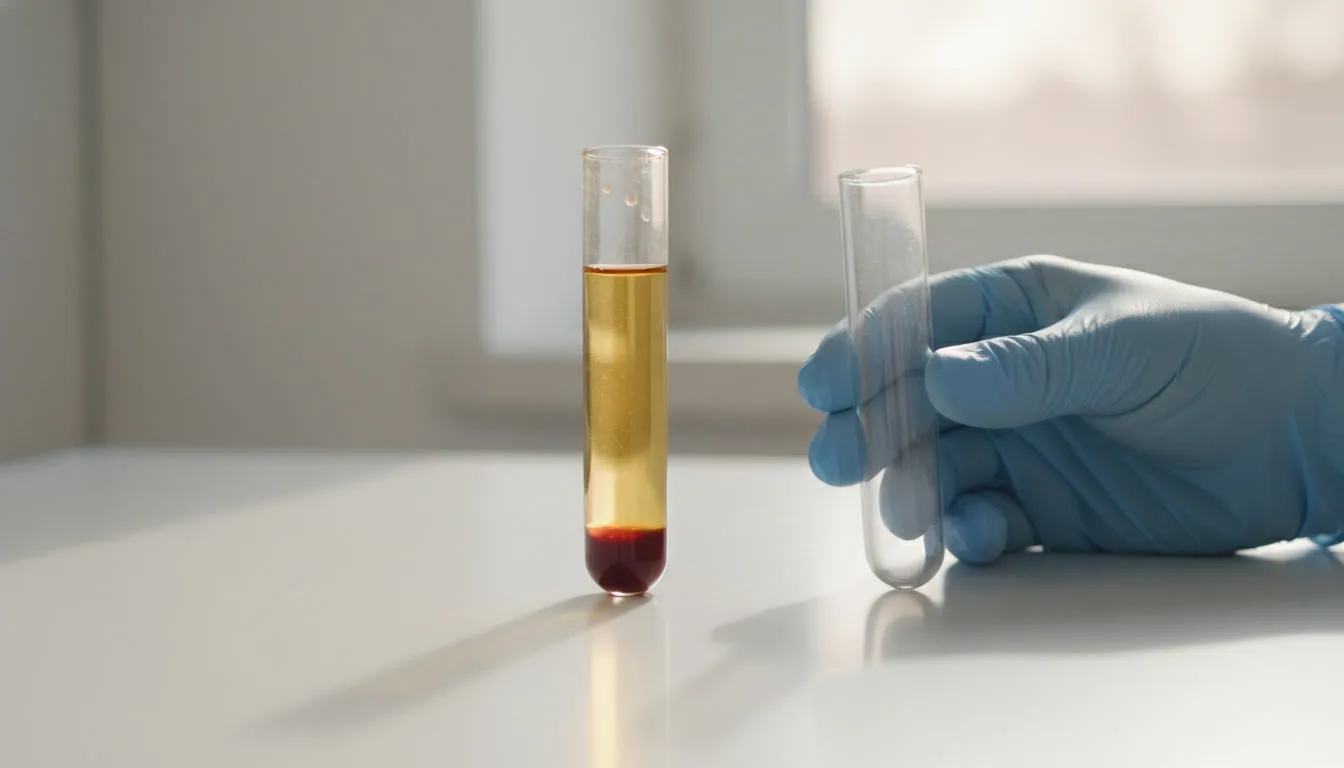
Month 1 Expectation
Month 1 should emphasize session alignment and baseline capture quality. For broad thinning across multiple zones without a single focal spot, your focus is pre-session baseline quality and between-session consistency.
Month one with PRP is about documenting your pre-treatment baseline and the immediate post-session period. Capture standardized photos before your first session and at consistent intervals afterward. This session-anchored baseline is what makes every future comparison meaningful rather than arbitrary. Because PRP requires blood draws and centrifuging, the tracking process must account for the clinical environment. Meticulously log the timing of your treatments. In these early days, expect temporary scalp tenderness and possibly mild shedding due to the needle trauma; this is a localized inflammatory response and should not be confused with accelerating genetic hair loss. Diffuse thinning spreads across multiple zones, so single-angle photos miss the full picture. Tracking must include top-down, part-line, and frontal captures to detect changes that are distributed rather than focal.
Recommended cadence: Capture pre-session baselines and monthly global trend snapshots. Lock data quality so month 3 comparisons are credible.
What is biologically possible at month 1
At month one, follicles have had a single hair-cycle window of drug or stimulus exposure. Most of the work happening is at the molecular and signaling level: DHT levels falling, growth factors elevating, or the anagen-to-telogen ratio shifting. Visible scalp surface has had almost no time to reflect this. People who quit at month one quit during the signal-onset phase, not the no-response phase.
What this means for your tracking: Expect setup-grade data: a clean baseline, consistent capture conditions, and an adherence log. Do not expect visible regrowth. Anyone selling you month-one before-and-after photos is selling lighting, not biology.
How PRP results emerge in tracking data
Platelet-rich plasma injections concentrate platelets and growth factors (PDGF, TGF-beta, VEGF) and deliver them directly into the dermis. The follicular response is delayed: most tracked improvement appears two to four months after the third session, not after the first. Single-session tracking is almost always premature and creates abandonment.
Track this, not noise: Anchor capture days against the injection schedule (for example two weeks post-session) and avoid the bruising window. Use density at the injected zones, not overall scalp impression, as the primary signal.
Stage-Specific Scenario
For diffuse thinning patterns, the most common problem in month 1 is seeing mixed signals because thinning is spread across the scalp. Your goal is to separate camera noise from real direction using strict capture consistency.

How to Use This Checkpoint Page
Use this guide after you complete your normal weekly captures for the month. The goal is to interpret your checkpoint with context, not to force a conclusion from a single photo or stressful week.
Start with the expectation and scenario sections, review the priority metrics and caution signals, then work through the decision framework and next-checkpoint plan. That sequence gives you a clear interpretation path instead of random scrolling.
Priority Metrics for This Checkpoint
These metrics matter most at month 1 because they are more reliable than broad "overall looks better/worse" judgments.
- global density (primary trend score)
- part-line consistency (supporting trend score)
- scalp show-through in bright light (context checkpoint)
Score the same zones the same way each review window. Consistent measurement is what lets this checkpoint tell you something useful.
Treatment-Specific Notes
These notes explain why prp can look different at this stage than a general hair-loss timeline might suggest.
- PRP focus at month 1: pre-session baseline quality and between-session consistency.
- Best angles for this pattern: top-down center part, front diffuse zone, crown diffuse zone.
- If uncertainty persists, prepare a clinician review around: Concerns that require protocol reassessment..
If your experience differs, compare your data quality first and then use the caution signals below to decide whether to escalate.
Capture map for diffuse thinning
- Center part-line photo with hair freshly combed apart
- Top-down view with consistent parting width
- Side parting on both sides for comparison
Watch for at this stage: Diffuse patterns hide in average lighting and reveal in front-overhead lighting. Standardize a single lighting setup, otherwise week-to-week variation is mostly lighting noise.
What to Track This Month
PRP is a session-anchored treatment where timing relative to each procedure matters more than calendar dates alone. Every comparison should be tagged to your session schedule so you can distinguish treatment effects from natural fluctuation. Without session-linked tracking, it is nearly impossible to know whether a good or bad photo reflects PRP response or random variation.
Tracking Task 1
Capture top-down center part, front diffuse zone, crown diffuse zone in one fixed setup.
Start with a setup step that protects data quality first. When month-specific expectations are subtle, consistency in capture conditions matters more than adding more photos.
Tracking Task 2
Log prp consistency and weekly routine changes.
Log routine or adherence context alongside the task so you can interpret this month's changes in the right context, especially if progress feels slower than expected.
Tracking Task 3
Score global density and part-line consistency on a 0 to 10 scale.
This task improves comparability for your month 1 review. Complete it the same way each week so this checkpoint produces a clean signal instead of extra noise.
Tracking Task 4
At month 1, prioritize pre-session baseline quality and between-session consistency.
This task improves comparability for your month 1 review. Complete it the same way each week so this checkpoint produces a clean signal instead of extra noise.
Tracking Task 5
Export your timeline before clinician check-ins so decisions use evidence.
End the month with a short review note tied to your next checkpoint plan. This closes the loop and prevents repeating the same uncertainty next month.
Keep the checklist boring and repeatable. Reliable routines create better checkpoint decisions than "perfect" tracking done inconsistently.
Mistakes That Create False Alarms
At month 1, the most common tracking mistakes come from impatience and inconsistent process. Diffuse thinning spreads across multiple zones, so single-angle photos miss the full picture. Tracking must include top-down, part-line, and frontal captures to detect changes that are distributed rather than focal.
- Treating seeing mixed signals because thinning is spread across the scalp as a final conclusion after one capture day.
- Comparing pre-session and post-session photos without alignment.
- Changing treatment variables before your first full monthly comparison.
False alarms usually come from comparison drift, not sudden biological change. Fix the tracking process first and then re-evaluate at the next planned review.
Usually Normal at This Stage
- Score volatility caused by lighting and haircut differences.
- No clear visual regrowth yet even with good adherence.
- Short-term shedding noise that does not predict final outcome.
- Expected focus this month: pre-session baseline quality and between-session consistency.
"Normal" does not mean guaranteed, but it does mean these patterns commonly fit the expected range for this checkpoint when tracking is consistent.
Escalation Triggers
- Rapid worsening with no capture consistency in place.
- Persistent adverse symptoms that reduce adherence.
- No baseline-quality photo set to compare against.
- Stage-specific concern: seeing mixed signals because thinning is spread across the scalp.
- Common pitfall to avoid: Comparing pre-session and post-session photos without alignment.
Use these triggers to decide when this checkpoint needs clinician input sooner rather than simply more waiting. Bring your photos and notes so the visit is evidence-based.
Decision Framework for the Next 30 Days
Your month 1 decision should be based on cumulative trend data, not any single checkpoint. PRP is a session-anchored treatment where timing relative to each procedure matters more than calendar dates alone. Every comparison should be tagged to your session schedule so you can distinguish treatment effects from natural fluctuation. Without session-linked tracking, it is nearly impossible to know whether a good or bad photo reflects PRP response or random variation.
Decision Rule 1
If signal is stable or improving, keep routine constant through the next checkpoint window.
Use the first rule to classify what kind of signal you have (clear, mixed, or unclear) before deciding what to change.
Decision Rule 2
If signal is mixed, fix process quality first: lighting, angles, and adherence logging.
Treat each rule as a guardrail against overreacting to one photo, one score, or one stressful week.
Decision Rule 3
If signal is worsening, review comparing pre-session and post-session photos without alignment.
Treat each rule as a guardrail against overreacting to one photo, one score, or one stressful week.
Decision Rule 4
Escalate when needed: No directional benefit after consistent session tracking.
The final rule should point to a concrete next action for the next 30 days, not just another vague "wait and see."
Plan to Reach Month 3
Your next checkpoint becomes more useful when you define the plan now, while this month's evidence is fresh. Keep the plan simple enough to execute consistently.
Next Step 1
Keep your capture setup fixed until Month 3 so results stay comparable.
This sets your baseline for reaching Month 3 with cleaner evidence.
Next Step 2
Log one weekly adherence note tied to prp consistency.
Keep this step lightweight and repeatable so it survives real life; consistency is what makes the next checkpoint useful.
Next Step 3
At Month 3, compare monthly clusters, not isolated weekly photos.
Keep this step lightweight and repeatable so it survives real life; consistency is what makes the next checkpoint useful.
Next Step 4
Escalate sooner if no directional benefit after consistent session tracking..
Keep this step lightweight and repeatable so it survives real life; consistency is what makes the next checkpoint useful.
The goal for the next 30 days is not certainty. It is better-quality evidence and a cleaner comparison at Month 3.
Questions, sources, and next steps
Use these answers and source notes to keep this checkpoint grounded, then move directly into the next guide that matches your situation.
Is month 1 too early to judge prp for diffuse thinning?
Usually yes. Month 1 is primarily for building baseline quality and establishing consistent capture habits, not for drawing outcome conclusions. Hair growth cycles operate on timelines measured in months, and one month of data is rarely enough to detect meaningful change. The photos and scores you collect now become the foundation for every future comparison. Use this time to refine your setup, lock your angles, and build the discipline that makes month 3 and month 6 reviews genuinely trustworthy.
How should session timing dictate my tracking for prp at month 1?
A critical element for procedure-based treatments is session-anchored tracking. Taking a photo series randomly during month 1 is less informative than taking it specifically 24 hours before your next session, or exactly 14 days post-op/post-session. Your global density will look vastly different mid-recovery versus pre-session. Make sure to annotate every photo capture with exactly how many days it has been since your last prp intervention.
When should I talk to a clinician while tracking prp?
Talk to a clinician when you observe no directional benefit after consistent session tracking., or when your timeline shows sustained worsening across two or more monthly checkpoints despite strong adherence and consistent capture quality. Do not wait until you feel certain something is wrong; structured tracking data makes clinical conversations more productive even when you are simply unsure. A clinician can interpret your trend data alongside factors that photo tracking cannot capture, such as hormonal profiles and scalp health. Bringing your BaldingAI timeline to the appointment gives your clinician months of objective evidence instead of a verbal summary from memory.
How does the recovery phase impact my month 1 expectations?
At month 1, you may be in the middle of a post-session shedding or inflammation window standard for prp. Do not conflate post-treatment shock loss or short-term shedding with failure. During this month, your tracking isn't about identifying dense new growth, it's about confirming the natural healing trajectory of your scalp. Share your monthly comparison cluster with your practitioner so they can verify you are on the standard recovery path.
What does a high-quality month 1 comparison set look like for diffuse thinning?
A high-quality comparison set uses the same top-down center part, front diffuse zone, crown diffuse zone capture angles every session, with identical lighting conditions and camera distance. Your hair should be prepared the same way each time, whether that means dry, towel-dried, or freshly washed, because styling differences create false signals. Include at least one weekly adherence note so that when you review trends, you can account for any routine disruptions. For diffuse thinning, pay particular attention to global density because this is where the most telling changes tend to appear first. A comparison set built with this discipline turns subjective worry into objective trend data.
If global density is flat at month 1, should I change prp now?
Not yet in most cases. A flat score at month 1 does not mean the treatment is failing; it may mean the signal has not had enough time to emerge above tracking noise. Keep your process consistent through Month 3 so you have a longer baseline to compare against. If the flat trend continues through your next checkpoint with strong capture quality and adherence, that becomes a more meaningful data point for decision-making. Premature switching is one of the most common mistakes in hair loss treatment.
Keep this checkpoint useful
Run your month 1 plan with structured tracking in Balding AI
The guide tells you what this month can and cannot mean. Balding AI gives you the repeatable capture and review workflow that makes the next checkpoint easier to read.
Next reads and checkpoints
Continue with the matching track guide or the next timeline checkpoint that keeps this month in context.
Matching track guides
More timeline checkpoints
Diffuse Thinning Topical Minoxidil Results: Month 3
Topical Minoxidil | Month 3 | Diffuse Thinning
PRP Results Month 1 for Norwood 3: What Is Normal
PRP | Month 1 | Norwood 3
PRP Results Month 1 for Norwood 3 Vertex: What Is Normal
PRP | Month 1 | Norwood 3 Vertex
PRP Results Month 3 for Diffuse Thinning: What Is Normal
PRP | Month 3 | Diffuse Thinning