


Tracking Guides Library
Hair Loss Tracking Guides by Treatment
Noticing hair loss is stressful, but reacting without data usually makes things worse. Most people cycle between mirror-checking, internet searching, and switching treatments before they have any real evidence of what is happening. These guides exist to break that cycle by giving you a structured progress framework built around your specific treatment or condition.
Each guide covers what to capture, how often to review, which metrics matter, and when it makes sense to talk to a clinician. The goal is not to diagnose or recommend treatment. It is to help you collect clean data so that your decisions, whether on your own or with a professional, are grounded in trend evidence instead of anxiety.
Commit to one weekly capture and one monthly review. That simple cadence reduces uncertainty, prevents overreaction, and gives you a clearer path for continue-versus-reassess decisions.
If you are brand new to tracking, start with the First 90 Days guide. If you are already on a treatment, pick the guide that matches your current routine below.
21+ treatment and condition guides with practical progress workflows.
Guided Start
Start with one calm route
The hub is easiest to use when you pick the one route that matches your stage instead of scanning every guide like a menu.
Open the best-fit guide, not all of them at once.
Brand new
Start with one calm baseline plan
If you are new to tracking, do not pick a treatment-specific page first. Start with the guide that teaches the routine itself.
Unsure it is real
Check the early concern without spiraling
Use one guide built for ambiguity before you react to every mirror day or random photo.
Already started
Move into a treatment-specific review rhythm
Once your baseline exists, switch to the guide that matches the routine you are actually running.
Library Shape
Browse by treatment or concern
If you already know the routine or condition you care about, jump straight to it here instead of scrolling the full library first.
First 90 Days Tracking
90-Day Hair Loss Treatment Tracker: Week by Week
Early Hair Loss Signs
How to Track Early Signs of Hair Loss Objectively
Finasteride
How to Track Finasteride Results Over Time
Minoxidil
How to Track Minoxidil Progress Without Guesswork
Timeline
Month-by-month checkpoints
Use narrower month guides once your main tracking routine is already stable.
Tracking library
Tracking library
Every guide below is a full reading path. Start with the one that matches your current routine or concern, not the one with the most familiar title.
21 guides across treatments, early concerns, and recovery patterns.
90-Day Hair Loss Treatment Tracker: Week by Week
If you are just starting to notice hair loss, this 90-day framework helps you build clean baseline data and avoid panic-based decisions.
People in the earliest stage of concern who want a practical tracking plan before changing treatments repeatedly.
Open guide →
How to Track Early Signs of Hair Loss Objectively
Early signs are easier to interpret when your capture process is standardized and your review cadence is structured.
People who suspect early thinning and want a clear framework before making major treatment decisions.
Open guide →
How to Track Finasteride Results Over Time
Use consistent photos, adherence notes, and monthly comparisons to separate temporary shedding from meaningful long-term trend changes.
People starting or currently using finasteride who want an objective way to monitor progress without overreacting to week-to-week noise.
Open guide →
How to Track Minoxidil Progress Without Guesswork
Minoxidil tracking works best when you pair consistent photos with routine adherence notes and compare by month, not day.
People using topical or oral minoxidil who want to monitor trend direction and keep expectations grounded in structured data.
Open guide →
How to Track Dutasteride Progress With Clear Checkpoints
Track dutasteride with monthly checkpoint comparisons, adherence context, and consistent front-crown photo sets.
People using dutasteride who want an organized method to monitor direction of change across longer intervals.
Open guide →
How to Track PRP Hair Treatment Progress
PRP tracking should align with session timing so you can compare pre-session baselines and post-session checkpoints consistently.
People undergoing PRP who need a session-aware tracking system they can share with their clinic.
Open guide →
How to Track Microneedling Hair Growth Progress
Microneedling progress is easier to evaluate when you track treatment cadence, recovery context, and monthly directional changes together.
People using microneedling alone or with other therapies who need structured trend tracking rather than visual guesswork.
Open guide →
How to Track Hair Transplant Recovery Month by Month
Transplant recovery tracking should follow clinical milestones so short-term phases are not confused with long-term growth outcomes.
Patients post-transplant who want a structured recovery timeline with objective checkpoints and shareable progress records.
Open guide →
How to Track Oral Minoxidil Results Month by Month
Oral minoxidil tracking works best when you pair weekly photos with monthly trend reviews and brief dose-context notes.
People taking oral minoxidil who want objective progress monitoring and cleaner follow-up conversations with their dermatologist.
Open guide →
How to Track Topical Minoxidil Results Without Overchecking
Topical minoxidil progress is easier to read when you track adherence and capture quality before judging visible changes.
People using topical minoxidil who want a reliable structure for weekly tracking and monthly progress decisions.
Open guide →
How to Track Finasteride and Minoxidil Combination Results
Combination therapy tracking should separate consistency data from visual outcomes so you can see what is actually changing.
People using finasteride and minoxidil together who need a structured way to monitor progress and review protocol performance.
Open guide →
How to Track Low-Level Laser Therapy Hair Growth Results
LLLT progress tracking is strongest when session consistency and monthly checkpoint photos are reviewed together.
People using low-level laser therapy devices who want structured evidence of long-run trend direction.
Open guide →
How to Track Ketoconazole Shampoo Hair Loss Progress
Ketoconazole tracking should capture scalp condition and hair trend data together for clearer interpretation.
People using ketoconazole shampoo as part of a broader routine who want to measure consistency and trend direction over time.
Open guide →
How to Track Telogen Effluvium Recovery With Less Guesswork
Telogen effluvium tracking should focus on stabilization trends and recovery direction over months, not daily fluctuations.
People managing telogen effluvium who want a clear framework to track shedding changes and visual recovery progression.
Open guide →
How to Track Postpartum Hair Loss Recovery Week by Week
Postpartum tracking is most useful when you monitor trend direction calmly over time instead of reacting to daily changes.
People experiencing postpartum hair shedding who want structured recovery tracking they can discuss with a clinician.
Open guide →
How to Track Menopause Hair Thinning With Objective Checkpoints
Menopause-related hair thinning is easier to monitor with consistent captures, monthly reviews, and clear routine context.
Women tracking menopause-related hair changes who need a practical way to monitor progression and discuss options with a clinician.
Open guide →
How to Track Traction Alopecia Recovery With Monthly Milestones
Traction alopecia tracking should pair consistent hairline photos with clear notes on styling changes and recovery milestones.
People addressing traction alopecia who want objective progress tracking while they adjust styling habits and treatment routines.
Open guide →
How to Track Spironolactone Hair Loss Results Over Time
Spironolactone tracking is strongest when consistent photo checkpoints are paired with clear adherence and routine notes.
People using spironolactone for hair loss who want objective progress tracking and better data for clinician reviews.
Open guide →
How to Track Hairline Recession Without Overreacting
Hairline trends become clearer when you use repeatable forehead reference points and monthly comparisons.
People concerned about temple and frontal recession who want cleaner evidence before treatment changes.
Open guide →
How to Track Early Crown Thinning With Better Signal
Crown changes are hard to judge without top-down consistency. This framework keeps every checkpoint comparable.
People noticing early crown thinning who need a practical way to detect real directional change.
Open guide →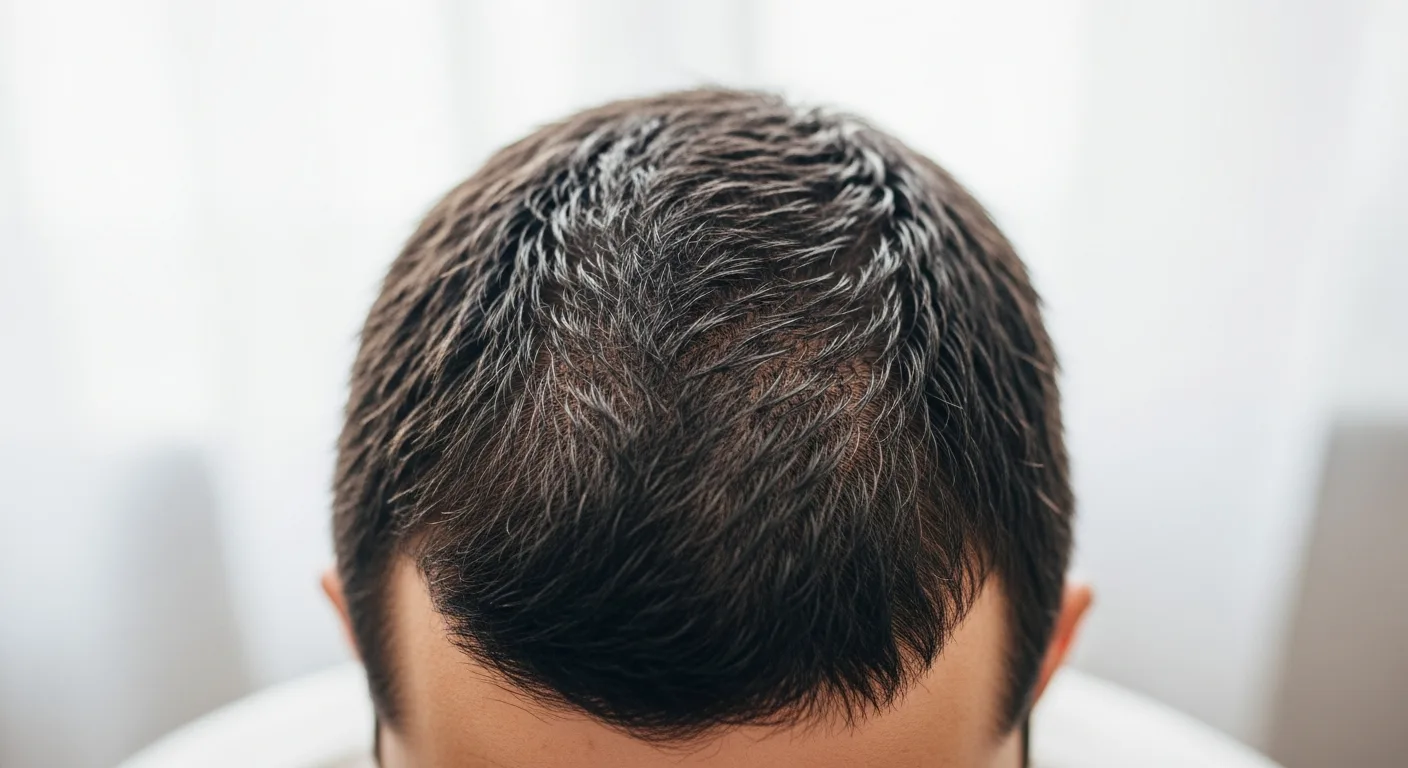
How to Track Diffuse Thinning Across Your Whole Scalp
Diffuse thinning needs full-scalp documentation, not one-angle checks. This framework helps you see true direction over time.
People with broad, non-localized thinning who want objective trend tracking before treatment decisions.
Open guide →
Built for Real Tracking
Turn any guide into measurable progress with Balding AI
These guides show you what to track. Balding AI gives you the execution layer: baseline capture, repeatable progress scans, and a timeline you can confidently review with your clinician.
Consistent capture flow
Keep angles and lighting repeatable week to week.
Clear trend timeline
Compare months of progress without guessing.
Clinic-ready exports
Share your progress history in follow-up visits.
Tracking Guides FAQ
What is the best way to start tracking hair loss?
Start with a fixed baseline photo set, then run weekly captures and monthly comparisons so decisions come from trend signal instead of daily noise.
How often should I compare progress photos?
Capture weekly, but interpret trend monthly. Monthly comparison blocks reduce false conclusions from short-term variation.
Which tracking guide should beginners use first?
Most new users should begin with the First 90 Days guide, then move into treatment-specific guides once baseline logging is stable.
Can I use these guides with my dermatologist?
Yes. The guides are built to create consultation-ready progress notes, timeline checkpoints, and comparable photo evidence.